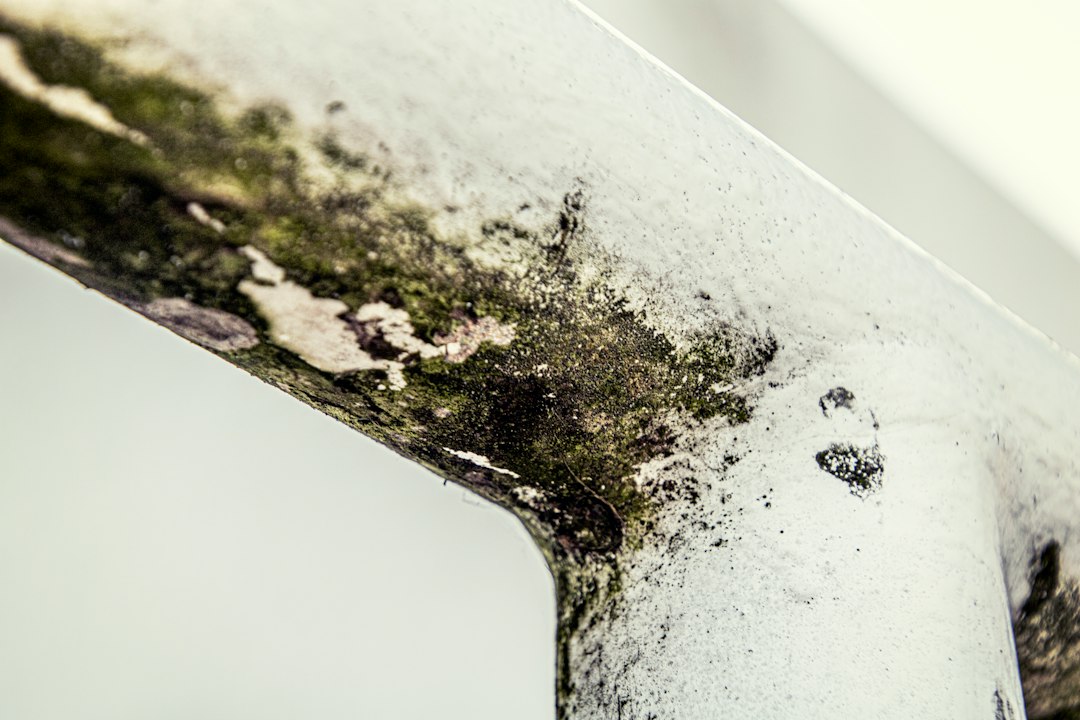
Humidity and Mold in Homes: Prevention, Identification, and Remediation
Mold is one of the most common and stubborn indoor air quality problems in homes — and in almost every case, the root cause is excess moisture. Mold spores are always present in indoor air, but they only grow when relative humidity stays above 60% or when water damage leaves surfaces damp for more than 24–48 hours. Understanding the relationship between humidity and mold is the key to preventing growth before it starts, rather than remediating it after it becomes visible.
How Humidity Drives Mold Growth
Mold is a type of fungus that reproduces by releasing spores into the air. These spores are everywhere — indoors and outdoors — and they are not a problem on their own. Problems begin when spores land on a surface with enough moisture to germinate.
The critical factor is relative humidity (RH) — the amount of moisture the air holds relative to its maximum capacity at a given temperature. Warm air can hold more moisture than cold air, which is why condensation forms on cold surfaces like windows, exterior walls, and pipes when warm, humid indoor air meets them.
Research and practical experience have established clear thresholds:
- Below 30% RH — air is too dry; can cause respiratory irritation, dry skin, and static electricity.
- 30–50% RH — the EPA’s recommended range; mold growth is strongly inhibited, and comfort is optimal.
- 50–60% RH — acceptable but approaching the risk zone; mold growth becomes possible on damp surfaces.
- Above 60% RH — the EPA’s upper limit; mold can grow on surfaces with even slight moisture, and dust mite populations increase.
- Above 70% RH — optimal conditions for mold germination; growth can begin within 24–48 hours on suitable materials.
Mold does not need liquid water to grow — it can extract moisture directly from humid air when RH is high enough. This is why bathroom ceilings, exterior wall corners, and behind furniture against cold walls are common mold sites, even without any obvious leaks.
Indoor relative humidity levels and their relationship to mold growth risk.
Where Moisture Comes From in Homes
Indoor humidity has both internal and external sources. Understanding where moisture enters your home is the first step toward controlling it:
- Daily activities — showering, cooking, drying clothes indoors, and even breathing add significant moisture. A family of four can produce 2–3 liters of water vapor per day through normal activities.
- Leaks and water intrusion — roof leaks, window seal failures, pipe leaks, and foundation seepage provide the sustained moisture that mold needs.
- Condensation — when warm humid air meets cold surfaces (windows, exterior walls, pipes, toilet tanks), water condenses and creates ideal conditions for mold.
- Damp basements and crawl spaces — groundwater can evaporate through foundation walls and floors, raising humidity throughout the home.
- Inadequate ventilation — modern energy-efficient homes are tightly sealed, which is good for energy but traps moisture indoors if mechanical ventilation is insufficient.
- Unvented combustion appliances — unvented gas heaters and stoves release water vapor as a combustion byproduct.
Common Indoor Mold Types
Not all molds are the same, and identifying the type of growth can help assess the risk. The most common indoor molds include:
- Cladosporium — the most common indoor and outdoor mold; typically dark green or black; grows on surfaces where condensation occurs, including windowsills, painted walls, and HVAC ducts.
- Penicillium — blue-green or yellow mold that grows on water-damaged materials, wallpaper, carpets, and insulation; can produce mycotoxins.
- Aspergillus — common indoor mold that grows in warm, damp environments; some species can cause aspergillosis, a lung infection, in immunocompromised individuals.
- Alternaria — commonly found in showers, bathtubs, and under sinks; a known allergen that can trigger asthma symptoms.
- Stachybotrys chartarum — often called “black mold”; requires chronic moisture and grows on cellulose-rich materials like drywall, paper, and wood. Produces mycotoxins and has been linked to severe health effects in some studies.
While visible mold of any type should be addressed, the presence of Stachybotrys or extensive growth of any type warrants professional assessment, particularly in occupied living areas.
Health Effects of Mold Exposure
According to the World Health Organization, occupants of damp or moldy buildings are at increased risk of respiratory symptoms, respiratory infections, and exacerbation of asthma. The evidence is considered sufficient by epidemiological standards — meaning the link is well-established, not merely suspected.
Common health effects include:
- Allergic reactions — sneezing, runny nose, red eyes, skin rash. Mold allergy is one of the most common indoor allergies.
- Asthma triggers — mold spores can provoke asthma attacks in people with mold sensitivities, and exposure may contribute to the development of asthma in children.
- Respiratory irritation — coughing, wheezing, throat irritation, and chest tightness, even in people without mold allergy.
- Respiratory infections — particularly in immunocompromised individuals, certain molds like Aspergillus can cause serious lung infections.
Vulnerable groups include infants and children, elderly adults, people with asthma or allergies, and individuals with weakened immune systems. For these groups, even moderate mold exposure can cause significant health problems.
Preventing Mold: Practical Steps
Mold prevention comes down to one principle: control moisture. If surfaces stay dry, mold cannot grow. Here’s how to keep humidity in the safe zone:
- Monitor humidity with a hygrometer — place one in each major room and check regularly. Target 30–50% RH, never above 60%.
- Use bathroom exhaust fans — run them during and for 20–30 minutes after showers. Ensure they vent outdoors, not into the attic or ceiling.
- Use kitchen exhaust fans — especially when boiling water or cooking with gas. Cover pots when possible.
- Fix leaks within 24–48 hours — whether from a roof, pipe, window, or appliance. Mold can begin growing on damp materials within a day.
- Vent appliances properly — clothes dryers must vent outdoors. Never dry clothes on indoor racks without adequate ventilation.
- Use a dehumidifier in damp areas like basements, especially in humid climates. Size it appropriately for the room and empty or drain it regularly.
- Improve air circulation — keep furniture slightly away from exterior walls, leave closet doors open occasionally, and use fans in poorly ventilated rooms.
- Address condensation — if windows or walls regularly collect water, the air is too humid or the surface is too cold. Reduce humidity, improve insulation, or both.
- Clean and dry water-damaged areas immediately — remove standing water, dry surfaces within 24 hours, and replace porous materials that cannot be fully dried.
Mold Cleanup and Remediation
If mold is already visible, the approach depends on the extent of growth:
- Small areas (under 1 m² / 10 ft²) — clean with detergent and water. Avoid bleach, which does not penetrate porous surfaces and can give a false sense of resolution. Dry the area completely after cleaning.
- Larger areas or hidden mold — if growth covers more than 1 m², is inside walls, or involves HVAC systems, consider professional remediation. The EPA recommends consulting a professional for areas larger than 10 ft².
- Porous materials — carpet, drywall, ceiling tiles, and insulation that have mold growth usually need to be removed and replaced. They cannot be effectively cleaned.
- Fix the source first — cleaning mold without fixing the moisture problem guarantees it will return. Always identify and resolve the water source before remediation.
During cleanup, wear an N-95 mask, gloves, and goggles to avoid inhaling spores. Open windows for ventilation, and seal off the work area from the rest of the home to prevent spore spread.
Key Takeaways
- Mold needs moisture to grow — keeping indoor relative humidity between 30–50% (always below 60%) is the single most effective prevention measure.
- Mold can germinate within 24–48 hours when RH exceeds 70%, even without any visible water source.
- Common indoor molds include Cladosporium, Penicillium, Aspergillus, and Stachybotrys (black mold). All warrant attention; extensive growth requires professional remediation.
- The WHO confirms sufficient evidence linking damp and moldy indoor environments to respiratory symptoms, infections, and asthma exacerbation.
- Mold prevention is moisture control: fix leaks promptly, ventilate bathrooms and kitchens, use dehumidifiers in damp areas, and monitor humidity with a hygrometer.
Sources
- U.S. EPA — A Brief Guide to Mold, Moisture and Your Home
- U.S. EPA — Mold Course: Chapter 2 (Causes and Moisture Control)
- U.S. EPA — Mold and Health
- CDC — Mold and Health
- WHO — Guidelines for Indoor Air Quality: Dampness and Mould
- Health Canada — Addressing Moisture and Mould in Your Home
- CCOHS — Indoor Air Quality: Moulds and Fungi