EPA Enhanced Air Sensor Guidebook: From Planning to Interpreting Measurements
USEFUL SOURCES · OFFICIAL TECHNICAL RESOURCE · OCTOBER 2026
EPA’s Enhanced Air Sensor Guidebook is a step-by-step reference for readers designing an air quality sensor project and making sense of the results.
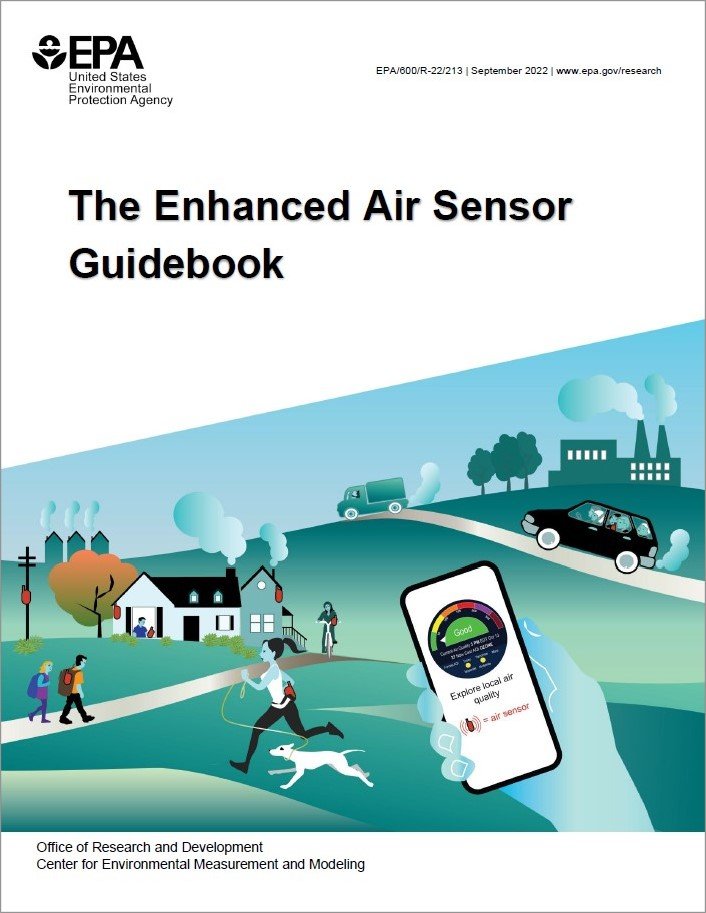
What Is This Resource?
The updated guidebook covers air quality fundamentals, study planning, device selection and setup, collection, analysis, communication and application of data. It expands on the earlier 2014 guidebook with updated knowledge and practical guidance.
What You Can Find There
- An end-to-end approach to planning an air sensor measurement project.
- Sensor selection and deployment considerations.
- Ways to analyze, interpret and communicate observations.
- Explanations of data quality and study design choices.
How to Use It in Practice
Read the planning chapters before selecting hardware. Define what the project can and cannot establish, choose devices for the pollutant and expected environment, and design data-quality checks from the start. Use the analysis and communication sections to prevent misleading conclusions from a small or incomplete dataset.
Why It Matters for AirAlign
A strong reference across Basics, Home Air Quality, Commercial Air Quality and product Buying Guides, especially for readers progressing from hobbyist measurements to a structured monitoring project.
The guidebook gives general best practices, not product-specific approval or permission to use non-regulatory devices for compliance monitoring. Confirm current device documentation and local regulations.
Related Reading
Pair it with the EPA Air Sensor Toolbox performance and quality assurance resources.
Official Reference
United States Environmental Protection Agency (EPA) — Official source →
AirAlign independent resource overview. Last researched 13 October 2026. Source availability and content can change; original provider materials remain authoritative.