EPA Air Sensor Performance Targets and Testing Protocols: Comparing Devices
USEFUL SOURCES · OFFICIAL TECHNICAL RESOURCE · OCTOBER 2026
EPA’s performance targets and testing protocols are designed to help users understand how air sensor measurements compare with reference instruments for defined applications.
What Is This Resource?
Sensor data quality can vary substantially. The EPA materials provide approaches for evaluating sensors and understanding metrics used in performance comparisons, especially in non-regulatory applications.
What You Can Find There
- Methods for evaluating sensor measurement quality under specified conditions.
- Performance metrics and target values for selected pollutants and uses.
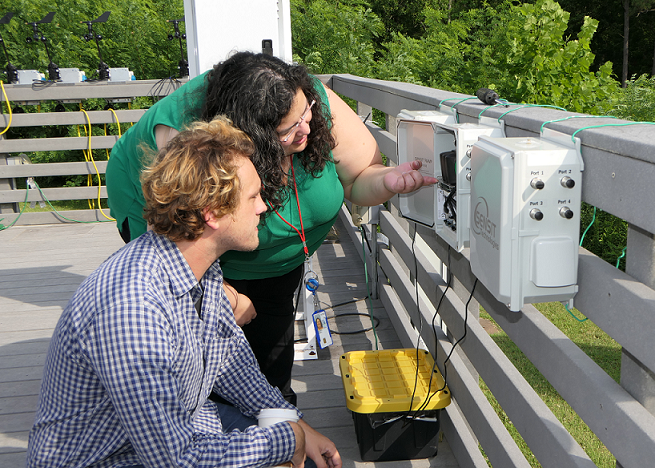
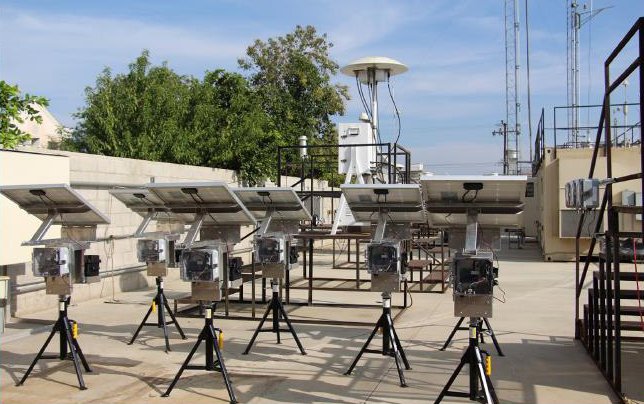
- Considerations for laboratory testing and field evaluation.
- Explanations of how low-cost sensors differ from regulatory monitoring instruments.
How to Use It in Practice
Before accepting a manufacturer accuracy headline, check which pollutant, concentration span, reference instrument, humidity regime and test period were used. Look for reproducible protocols and compare the intended real-world installation with the tested setup.
Why It Matters for AirAlign
Strengthens AirAlign product comparisons for PM and gas sensors by encouraging scrutiny of declared specifications and test conditions instead of ranking solely by price or a single accuracy claim.
A performance target for one pollutant or use case cannot be applied automatically to another. Passing a voluntary evaluation is not equivalent to formal regulatory approval.
Related Reading
Read EPA’s FAQ on performance testing protocols and the Enhanced Air Sensor Guidebook.
Official Reference
United States Environmental Protection Agency (EPA) — Official source →
AirAlign independent resource overview. Last researched 13 October 2026. Source availability and content can change; original provider materials remain authoritative.