SemeaTech 4LEL-3.0 Combustible Gas Sensor
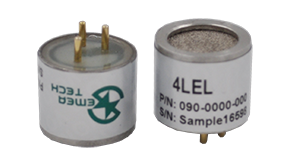
Catalytic-combustion sensing component for combustible-gas concentration measurement; engineering integration and calibration depend on the target gas.
Manufacturer: SemeaTech
Technical Specifications
| Measurement | Combustible gases, %LEL |
|---|---|
| Sensing principle | Catalytic combustion |
| Nominal range | 0–100% LEL |
| Typical T90 | <30 s |
| Resolution | <1% LEL |
| Recommended supply | 3.00 ± 0.02 VDC |
| Operating temperature | −30 to 50°C |
Official Technical Source
Manufacturer model page and specifications →
4LEL-3.0 — catalytic combustible bridge and poisoning sensitivity — original maker engineering data
Measured range, current output and lifecycle apply to the specified SemeaTech model rather than the whole sensor family.
| Attribute | Original manufacturer data | Application significance |
|---|---|---|
| Sensing principle | Catalytic combustion-type 4-Series LEL bridge element | Not an optical infrared hydrocarbon module; requires oxygen for catalytic reaction. |
| Span / overload | 0–100% lower explosive limit, maximum overload 100% LEL per maker | A %LEL scale depends on calibration gas and combustible mixture. |
| Bridge / power | 3.00 ±0.02 V DC, 95 ±15 mA | Voltage and matching bridge electronics affect calibration; not a loop-powered sensor. |
| Sensitivity | 22 ±7 mV per %CH₄ according to OEM | The sensor output is millivolt bridge signal, not 4–20 mA. |
| T90 / resolution | T90 <30 s, resolution below 1% LEL | Dynamic response depends on diffuser and gas exposure. |
| Operating conditions | −30 to +50 °C, 0–90% RH noncondensing | Heavy contamination or condensate can inhibit diffusion. |
| Poisons | Maker documents ~20% sensitivity change after H₂S challenge and ~40% after HMDS test | Siloxanes/sulfides can poison pellistors; gas bump test essential. |
Integration, cross-sensitivity and maintenance
A catalytic flammable sensor cannot be specified for oxygen-depleted inerted tanks as though it were an infrared detector. Bridge voltage must be matched to 3.0V specification, and sensor response depends on methane/hydrocarbon reference gas and LEL conversion. Exposure to siloxane or sulfur compounds can reduce catalytic response, leading to unsafe low readings: schedule qualified bump/calibration tests and replace contaminated elements. A raw sensing bridge does not establish a complete control panel’s explosion-protection rating.
Primary SemeaTech source: Original product model information and technical sheets. Confirm current exact part code, supply revision and regional certification before an approved installation.
AirAlign independent editorial analysis · 25 October 2026. OEM sensor data do not grant completed gas instrument certification.